Laparoscopic Hysterectomy in India: The Modern, Scar-Free Solution Every Woman Should Know About
Introduction
The last twenty years have seen a significant change in women's health. Tiny keyhole cuts that heal more quickly and leave fewer scars are now used for procedures that once required massive wounds, lengthy hospital stays, and agonizing recoveries. Laparoscopic hysterectomy is one of the most notable developments in gynecologic surgery in India. It is a cutting-edge, minimally invasive technique that is revolutionizing the practice of hysterectomies.
If a hysterectomy has been recommended for you or a loved one, this thorough guide will help you understand the process, its advantages, recuperation, costs in India, potential risks, and the reasons India has emerged as a top location for cutting-edge laparoscopic gynecological surgery.
What Is a Hysterectomy?
The uterus (womb) is surgically removed during a hysterectomy. Following this surgery, a lady will not be able to conceive or have menstrual periods. The following may also be removed during the procedure, depending on the ailment being treated:
- Total Hysterectomy of the Cervix
- Ovaries, including oophorectomy
- Salpingectomy of the fallopian tubes
Historically, an open operation involving a wide abdominal incision was used to conduct a hysterectomy. However, because to its minimally invasive nature,laparoscopic hysterectomy is now commonly offered and recommended in India thanks to technological improvements.
What Is Laparoscopic Hysterectomy?
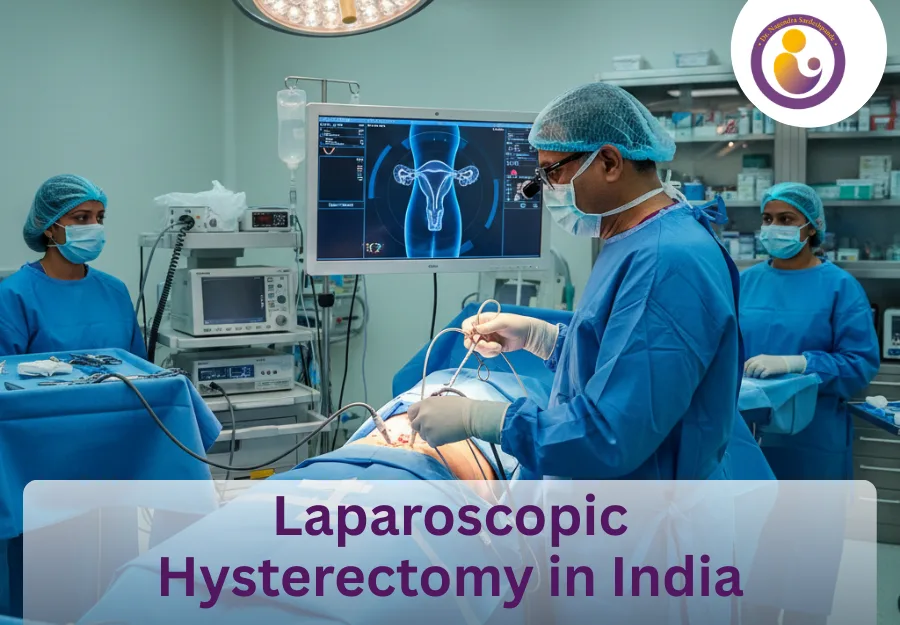
A laparoscopic hysterectomy is a minimally invasive surgical procedure that involves making tiny abdominal incisions. The surgeon can observe inside organs on a high-definition monitor by inserting a thin tube with a camera (laparoscope) through a single tiny incision. The procedure involves making more small incisions and inserting specialized devices.
Either the vaginal canal or the incisions are used to remove the uterus in tiny pieces.
This cutting-edge method provides:
- Scarring is minimal
- Less discomfort
- Reduced length of hospitalization
- Quicker recuperation
- A decreased chance of problems
With its highly qualified surgeons and state-of-the-art medical facilities, India has emerged as a global center for advanced laparoscopic gynecological surgery.
Why Laparoscopic Hysterectomy Is Necessary for Women
In India, a physician may suggest laparoscopic hysterectomy for several health conditions, such as:
1. Fibroids in the uterus
Growths that are not malignant and that result in pressure symptoms, pelvic pain, and profuse bleeding.
2. Endometriosis
A painful disorder in which uterine lining-like tissue proliferates outside the uterus.
3. Adenomyosis
When the uterine lining tissue develops into the uterine wall's muscular structure.
4. Unusual Bleeding in the Uterus
Excessive or irregular bleeding that does not go away despite medical intervention.
5. Prolapse of the Uterus
when weak pelvic muscles cause the uterus to slide into the vaginal canal.
6. Cancer of the Gynecology
in some uterine or cervical malignancies in their early stages. Compared to standard surgery, minimally invasive hysterectomy in India often yields better results with less trauma.
Types of Laparoscopic Hysterectomy in India
Depending on the condition, there are several variations:
1. Total Laparoscopic Hysterectomy (TLH)
Complete laparoscopic removal of the uterus and cervix.
2. Laparoscopic-Assisted Vaginal Hysterectomy (LAVH)
Combination of vaginal and laparoscopic methods.
3. Laparoscopic Supracervical Hysterectomy
Keeping the cervix intact while removing the uterus.
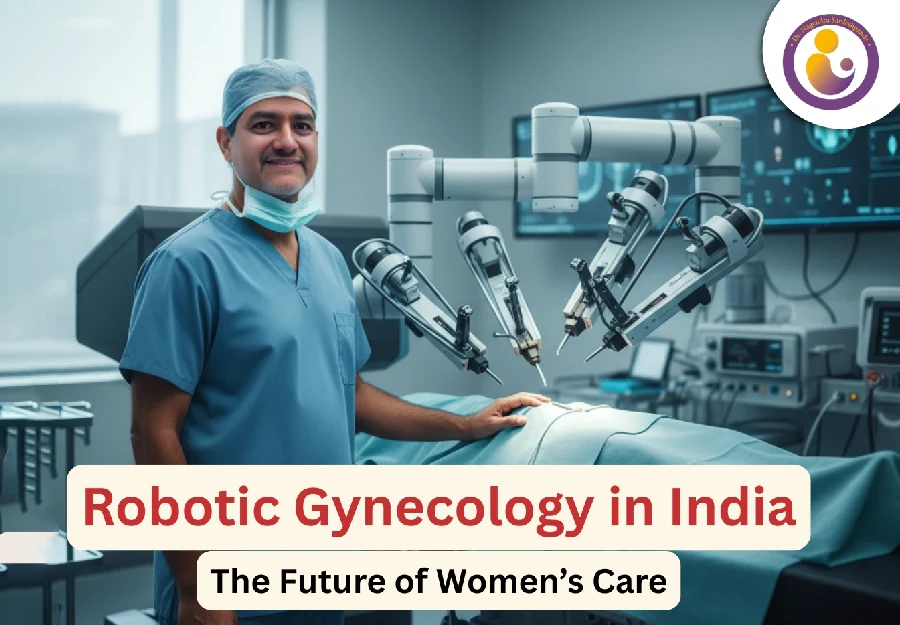
Robotic-Assisted Laparoscopic Hysterectomy
Advanced form with precision with robotic technology. All of these contemporary methods are available in India's top hospitals located in major cities.
Detailed Process: What Takes Place During Surgery?
Being aware of the procedure makes you feel more prepared and less anxious.
- Anesthesia: Anesthesia is given in a general way.
- Three to four tiny incisions, each measuring five to ten millimeters, are created.
- To improve sight, the abdomen is inflated with carbon dioxide gas.
- Laparoscope insertion: An interior view is enlarged by a camera.
- Uterus Removal: Gently separate and remove.
- Closure: Minor cuts are sewn shut or sealed.
Depending on complexity, the full process typically takes one to three hours.
Advantages of Laparoscopic Hysterectomy in India
Laparoscopic hysterectomy is becoming more and more popular among Indian women because of its many benefits:
Highly Skilled Surgeons
Indian gynecological endoscopic surgeons are received foreign training and have skilled in complex cases.
Advanced Technology
Robotic platforms and high-definition laparoscopic equipment are available in several hospitals.
Cost-Effective Treatment
Compared to Western nations, the cost of a laparoscopic hysterectomy is substantially lower in India.
Global Patient Care
Dedicated medical tourism services for patients from throughout the world.
For specialized gynecological operations, patients from the UAE, Africa, Iraq, Gulf countries, Eastern Europe, and Kazakhstan regularly travel to India.
Cost of Laparoscopic Hysterectomy in India
In India, the price of a laparoscopic hysterectomy varies based on:
- Hospital and city
- The surgeon's proficiency
- Hysterectomy type
- The condition's complexity
- Is robotic aid utilized?
While retaining good medical standards, the treatment is typically far less expensive than in the USA, UK, or the Middle East.
Numerous hospitals provide all-inclusive packages that cover surgery, hospitalization, and prescription drugs.
Post-Laparoscopic Hysterectomy Recovery
Though appropriate care is crucial, recovery is usually uneventful.
Week One
- A slight soreness in the abdomen
- Vaginal spotting that is light
- A progressive rise in walking
Weeks 2-4
- Get back to doing simple household tasks.
- Steer clear of hard lifting.
- A follow-up consultation with the surgeon
Four Weeks Later
- The majority of women go back to work.
- A gradual return to regular activities
For four to six weeks, doctors typically advise against sexual activity and intense exercise.The greatest benefit? Compared to open surgery, women experience physical strength significantly sooner.
Possible Risks and Complications
Like every surgery, laparoscopic hysterectomy in India has certain minor risks, but these include:
- Bleeding
- Infection
- Rarely, damage to nearby organs
- Clots of blood
- Risks associated with anesthesia
Complications are considerably decreased by selecting a skilled laparoscopic surgeon.
Emotional and Hormonal Changes After Hysterectomy
The impact of a hysterectomy on hormonal balance is one issue that many women worry about.
- Hormonal function normalizes if ovaries are retained.
- Menopause may start right away if ovaries are removed.
Counseling and emotional support can help women cope with change. After experiencing respite from excessive bleeding and chronic discomfort, many women report an improvement in their quality of life.
Is Laparoscopic Hysterectomy Safe for Obese or High-Risk Patients?
Yes, for obese women, laparoscopic hysterectomy is frequently safer than open surgery because
- Wound complications are decreased with smaller incisions.
- Blood clot risk is reduced by faster mobility.
- Enhanced visualization increases the accuracy of surgery.
But a specialist's individual assessment is crucial.
Laparoscopic vs Open Hysterectomy: Key Differences
| Feature | Laparoscopic | Open Surgery |
|---|---|---|
| Incision Size | Small (5–10 mm) | Large abdominal cut |
| Pain | Less | More |
| Hospital Stay | 1–2 days | 4–7 days |
| Recovery | 2–4 weeks | 6–8 weeks |
| Scarring | Minimal | Visible scar |
Clearly, laparoscopic hysterectomy in India offers superior recovery and cosmetic results.
How to Choose the Right Surgeon in India
When choosing a specialist, take into account:
- Advanced laparoscopic gynecologic surgery experience
- The quantity of operations carried out
- Proficiency in complicated cases (endometriosis, fibroids) The infrastructure of hospitals
- Testimonials and feedback from patients
The results of gynecological endoscopic surgery in India can be significantly improved by a skill surgeon.
Frequently Asked Questions About Laparoscopic Hysterectomy in India
Will I gain weight after hysterectomy?
Weight gain and hysterectomy are not directly related. Lifestyle aspects are more important.
Will my sexual life change?
After recuperation, the majority of women report feeling more comfortable having sex because they are no longer in discomfort or bleeding.
How soon can I travel after surgery?
Usually within a week or two, depending on how well you heal.
Can fibroids come back after hysterectomy?
No, since the uterus is taken out.
The Future of Gynecologic Surgery in India
The future is even more promising. With the rise of:
- Robotic gynecologic surgery
- Enhanced imaging systems
- 3D laparoscopy
- Single-incision laparoscopic surgery
India continues to lead in providing advanced, patient-centered women’s healthcare solutions.
Conclusion
Laparoscopic Hysterectomy in India is one of the best revolutionary advancement in women’s healthcare. With minimal scarring, faster recovery, reduced pain, and world-class surgical expertise, it has become the preferred option for women requiring hysterectomy.
India is a reliable destination for both domestic and foreign patients since it offers the perfect combination of skilled surgeons, advanced medical technology, and cost-effective treatment.
If you are considering hysterectomy, exploring minimally invasive options could significantly improve your recovery experience and overall quality of life. Modern medicine has made it possible to move from fear and long recovery to confidence and rapid healing — and laparoscopic hysterectomy is leading that transformation.